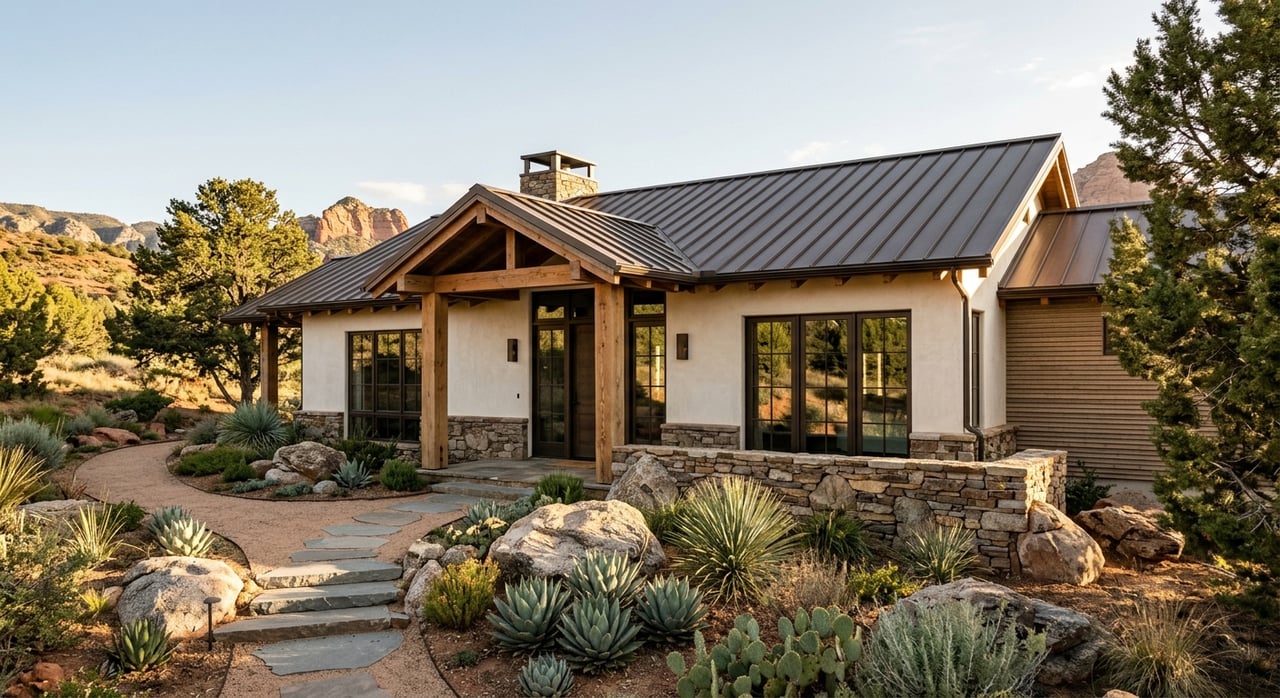
Relocating to Prescott Valley? A Smart Planning Guide
July 23, 2026
July 23, 2026
Are you trying to plan a move to Prescott Valley without missing important steps or getting overwhelmed by the details? Whether you are relocating for a new chapter, downsizing, retiring, or simply looking for more space, a long-distance move comes with a lot of moving parts. The good news is that with the right timeline and local plan, you can make smarter decisions about your budget, home search, closing, and move-in setup. Let’s dive in.
Prescott Valley continues to attract new residents, and the town’s estimated population reached 52,423 in July 2025. That marks 12.2% growth from the 2020 base, which reflects steady interest in the area from a wide range of buyers.
The town also appeals to people in different life stages. About 29.9% of residents are age 65 or older, so it is reasonable to see a mix of retirement moves, downsizing plans, and traditional household relocations shaping the local market.
For day-to-day living, Prescott Valley offers more than housing. The town’s resident guide points newcomers toward water and sewer service, parks and recreation, the public library, resident alerts, and other practical services that can make settling in feel more manageable.
Before you browse homes, take time to map out your finances and your move sequence. A relocation plan usually works best when you start with budget, then decide whether to sell your current home first, then narrow your search area and schedule tours.
A big mistake many buyers make is focusing only on the purchase price. You also need to budget for closing costs, moving costs, furniture, repairs, and home improvements so your move stays realistic from start to finish.
If you are moving from another city or state, your timeline matters just as much as your price range. Try to leave enough room between offer, inspection, closing, and moving day so you are not making rushed decisions under pressure.
Many buyers choose to sell their current home before buying another one. That approach can give you a clearer picture of your available funds and reduce the stress of carrying two homes at once.
That said, every move is personal. If you need flexibility because of retirement timing, a job change, or a household transition, your plan may look different. What matters most is having a clear strategy before you start touring homes.
If you are relocating, you may notice that market numbers vary by source. That is normal, and it is one reason not to rely on a single headline figure when planning your move.
Recent snapshots show a market that is active but not frantic. Redfin reports a median sale price of $460,000 and homes selling in about 47 days, while Realtor.com reports a median listing price of $573,000 and average days on market around 50. The practical takeaway is that you may have time to evaluate options, but you still need to be prepared when the right home appears.
A balanced market pace can work in your favor if you use it well. You may have enough time for virtual tours, a preview trip, inspections, and utility planning, but you should still have your financing and decision-making process ready.
This is especially important if you are comparing homes with different lot sizes, HOA rules, or utility setups. A thoughtful relocation plan helps you avoid last-minute surprises.
When you are moving from out of area, it helps to narrow your search using your daily routine, not just listing photos. A home may look great online, but the bigger question is how well it fits your life once you arrive.
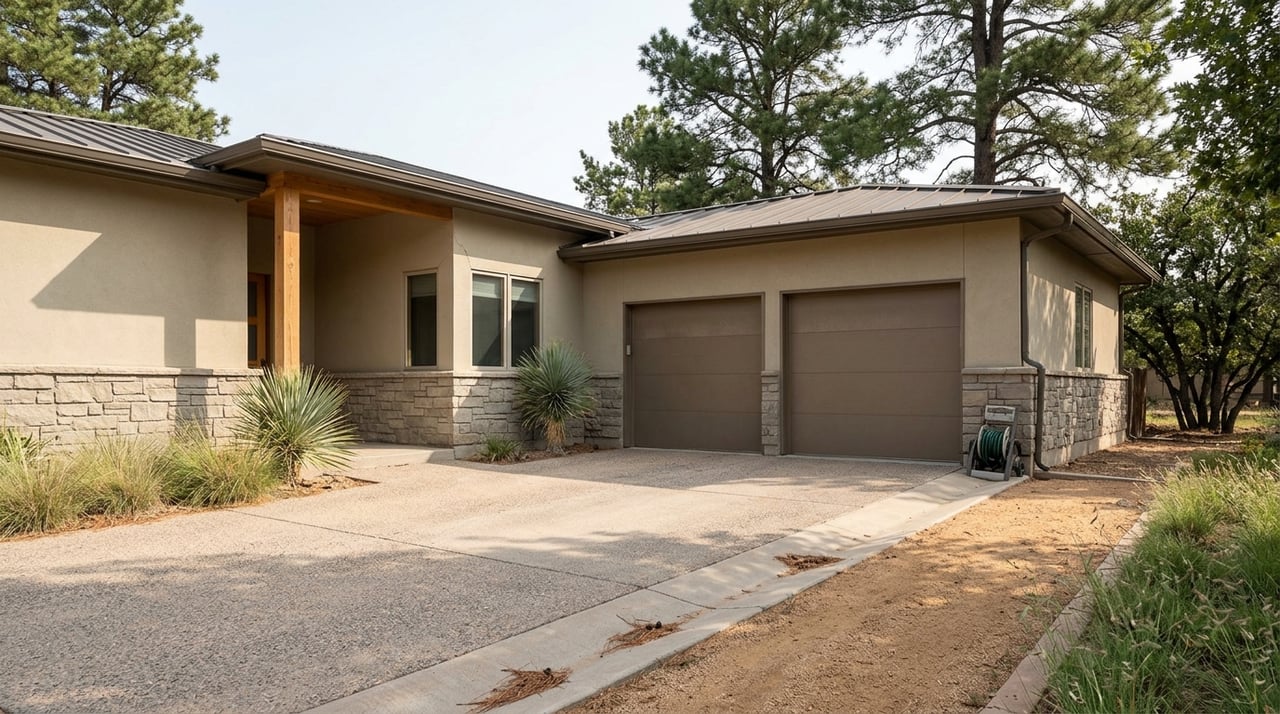
Start by thinking about commute routes, distance to errands, parking, lot maintenance, and the kind of setting you want. If you want room for outdoor living, a larger driveway, or space for extra vehicles, those details should be part of your search from the beginning.
For virtual showings or in-person preview trips, ask your agent to look beyond the interior finishes. A strong tour should help you understand both the home and the surrounding area.
Use this checklist as you compare options:
If you are buying from out of state, local eyes on the ground can be especially helpful. Video tours, neighborhood drive-throughs, and honest feedback about layout, access, and setting can save you time and reduce uncertainty.
If school access matters to your move, focus on district boundaries instead of choosing a home based only on a school name. Prescott Valley is served by Humboldt Unified School District, which lists 12 schools.
The town guide references a range of elementary, middle, and high school options, including district and charter campuses such as Coyote Springs Elementary, Lake Valley Elementary, Liberty Traditional, Pronghorn Ridge Middle, and Bradshaw Mountain High. Since attendance areas and options can change, it is wise to confirm the assigned district boundary early in your home search.
One of the easiest ways to reduce relocation stress is to handle setup tasks before closing day arrives. Utility transfers, address changes, and emergency planning are easy to overlook when you are focused on inspections and packing.
Prescott Valley has a mix of town-run and private utility providers, so it helps to know who handles what before move-in.
Here are the main services to review before your move:
The town also provides access to WaterSmart tools and a water emergency line through its resident resources. Setting these items up early can help you avoid service gaps during your first week in the home.
Arizona requires quick follow-through after you move. The Arizona MVD says address changes must be reported within 10 days, and new residents should register an out-of-state vehicle as soon as they become Arizona residents.
You should also submit your mail forwarding request with USPS. Forwarding can begin within 3 business days, but USPS recommends allowing up to 2 weeks, so it is smart to file that request before moving week.
Prescott Valley’s elevation and climate can affect your timeline more than you might expect. NOAA climate data for the Prescott area shows an elevation of 5,205 feet, annual precipitation of 16.46 inches, and annual snowfall of 10.2 inches.
That does not mean winter moves are impossible. It does mean you should plan for cooler temperatures, possible snow, and weather windows when booking movers, utility work, or contractors.
Seasonal planning affects more than moving trucks. If you are comparing homes with outdoor features, larger lots, or acreage, weather can also shape maintenance expectations and move-in priorities.
If you are scheduling painting, landscaping, repairs, or furniture delivery right after closing, build in a little flexibility. That extra buffer can make your first few weeks much smoother.
As you prepare for your move, include emergency planning on your checklist. The town guide points residents to local alert systems and public-safety contacts, including PV RAVE, Alert Yavapai, and CAFMA.
This is especially important if you are looking at property with brush, acreage, or outdoor living areas. Fire restrictions can change seasonally, so buyers should check current county or fire-district restrictions before closing on a property where outdoor burning or vegetation management may matter.
Once you are under contract, your calendar becomes more important. Long-distance buyers often need clear dates for travel, movers, utility transfers, and final packing.
One key step is the final walk-through. You should also review your documents carefully and pay close attention to the Closing Disclosure, which must be delivered at least three business days before closing.
Here is a practical order of operations for many Prescott Valley buyers:
Relocating is not just about finding a house. It is about understanding how a home fits your day-to-day life, your timing, and your next chapter.
That is where local knowledge matters. Having someone who understands Prescott Valley, the greater Prescott area, and the practical side of relocation can help you compare neighborhoods, evaluate acreage or lifestyle properties, and stay on track through inspections, closing, and move-in.
If you are planning a move to Prescott Valley and want thoughtful, local guidance at every step, reach out to Jill Hughes for a conversation about your goals and timeline.
Stay up to date on the latest real estate trends.


Get assistance in determining the current property value, crafting a competitive offer, writing and negotiating a contract, and much more. Contact me today.