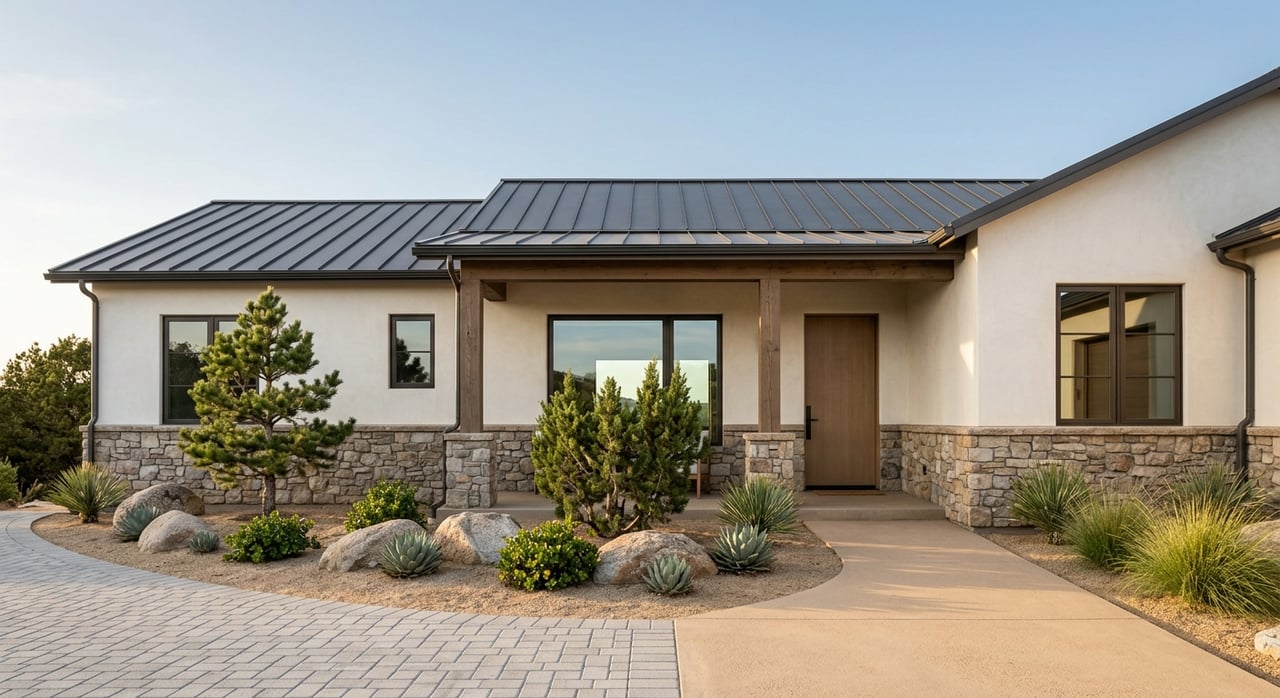
Prescott vs Prescott Valley: Deciding Where to Live
April 2, 2026
April 2, 2026
Trying to choose between Prescott and Prescott Valley? You are not alone. Many buyers narrow their search to these two communities because they share the same regional market, yet the day-to-day feel and housing options can be meaningfully different. If you want a clearer way to compare price, home style, commute, schools, and lifestyle, this guide will help you sort out which fit makes the most sense for your next move. Let’s dive in.
For many buyers, price is the fastest way to narrow the decision. According to Yavapai County 2025 median sales data, the median single-family sale price was $630,000 in Prescott and $482,250 in Prescott Valley.
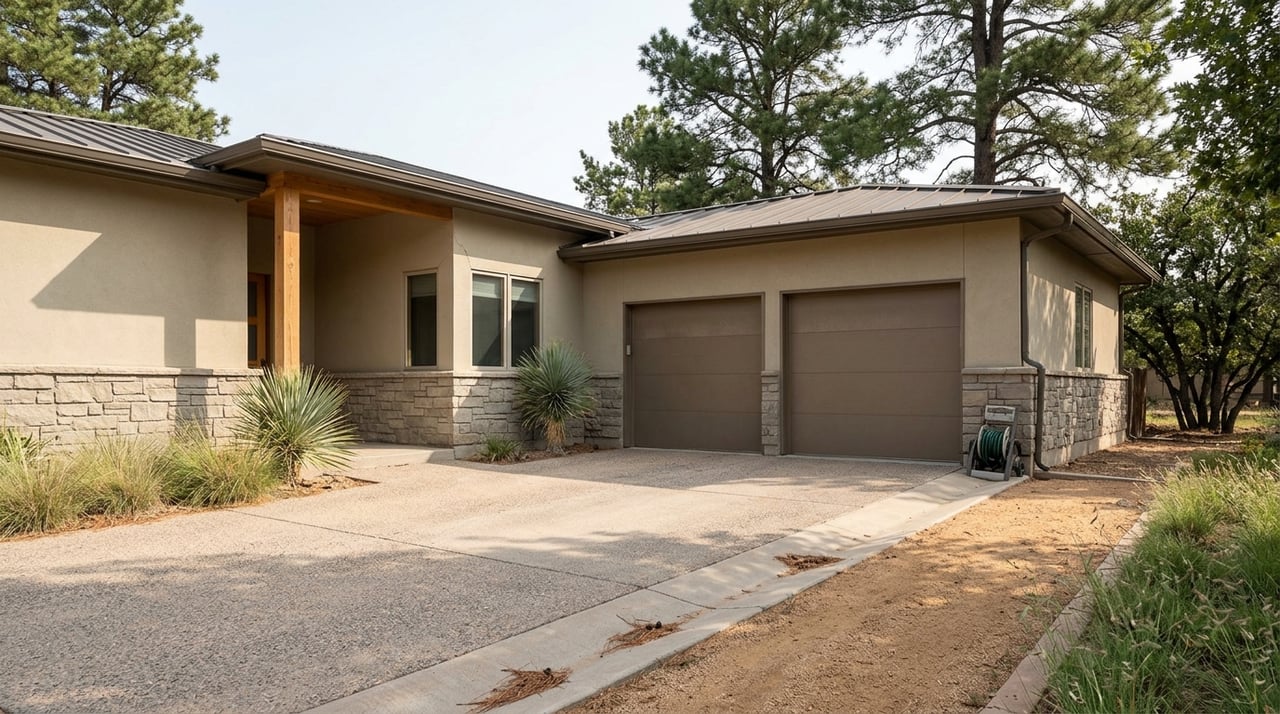
That gap matters in practical terms. If you are trying to balance monthly payment, home size, lot size, or newer construction, Prescott Valley may give you more flexibility. If you are comfortable with a higher entry point and want a different housing character or location feel, Prescott may stay high on your list.
A second data point shows a similar pattern. Census Reporter estimates place the median value of owner-occupied homes at $564,100 in Prescott and $413,200 in Prescott Valley, which supports the same affordability difference.
Prescott tends to offer a broader mix of neighborhood character. The city's General Plan notes that many subdivisions built through the 1980s used 7,500 to 9,000 square foot lots, while more recent development often reflected median lot sizes of 22,000 square feet or more.
That helps explain why Prescott can feel less uniform from one area to the next. You may find older established neighborhoods, larger-lot settings on the edge of town, and homes that vary more in age, layout, and setting.
Prescott Valley often reads more like a planned subdivision market. The town's zoning code allows for a wide range of lot sizes depending on district, and the town's attainable housing report also discusses compact single-family lots and zero-lot-line options as tools that can support affordability.
That does not mean every part of Prescott Valley is compact. It does mean the town is set up to support a wider range of suburban housing types, including options that may appeal to buyers who want a more straightforward neighborhood layout or newer construction patterns.
The right choice is not only about the house itself. It is also about how you want everyday life to feel.
Commute times are relatively manageable in both places. Census Reporter shows a mean travel time to work of 19 minutes in Prescott and 22 minutes in Prescott Valley, both below the metro-wide average of 23.5 minutes.
That means your decision may come down less to commute stress and more to what you want around you once you are home. Some buyers prioritize trail access, a historic setting, or more varied neighborhoods. Others want planned parks, civic amenities, and a setting that feels easier to navigate day to day.
If schools are part of your home search, it helps to understand how the two districts are structured.
Prescott Unified School District says it serves about 4,000 students and includes an early childhood center, three K-4 schools, one 5-6 school, one 7-8 middle school, and one 9-12 high school. The district also notes dual enrollment with Yavapai College and open enrollment.
Humboldt Unified School District says it serves approximately 5,100+ students across five elementary schools, one K-8 school, two middle schools, and one high school. Its enrollment information notes open enrollment is available subject to capacity.
For buyers, the main takeaway is simple. Prescott appears to have a smaller, more compact district footprint, while Prescott Valley is served by a larger district with more campuses. If school location matters to you, it is worth comparing specific home searches with district boundaries and campus access.
This is where the choice often becomes clearer. Prescott and Prescott Valley each have a strong lifestyle identity, but they are not quite the same.
If you picture yourself spending weekends outdoors and enjoy the feel of a historic core, Prescott may be the better fit. The city says its Mile-High Trail System includes 100+ miles of trails, including the Prescott Circle Trail, Greenways, Rails-to-Trails projects, and trail systems around Watson and Willow Lakes.
That trail network is a real differentiator. For many buyers, Prescott stands out because outdoor access is closely woven into the city experience.
If you want a more planned recreation mix, Prescott Valley may be the stronger match. The town's resident guide highlights 20+ public parks, aquatics, trails, a public library, YAV Connect microtransit in the transit zone, and the 5,000+ seat Findlay Toyota Center for local events.
One standout local feature is Fain Park, a 100-acre park with hiking, fishing, and gold panning. For buyers who want access to organized amenities and community spaces, Prescott Valley has a distinct advantage.
If you are still torn, use this quick framework.
A smart home search usually starts with priorities, not addresses. Before you choose Prescott or Prescott Valley, ask yourself:
When you answer those questions honestly, the right area often becomes much easier to spot. The best choice is the one that matches how you actually want to live, not just what looks good on paper.
Because Prescott and Prescott Valley serve different goals, it helps to work with someone who knows how to compare them beyond just price per square foot. A local perspective can help you weigh lifestyle, lot patterns, commute habits, and long-term fit so you do not just buy a house, you choose the right setting for your next chapter.
If you are comparing homes in Prescott and Prescott Valley, Jill Hughes can help you narrow the options with local insight and a relationship-first approach that keeps your goals front and center.
Stay up to date on the latest real estate trends.
Get assistance in determining the current property value, crafting a competitive offer, writing and negotiating a contract, and much more. Contact me today.