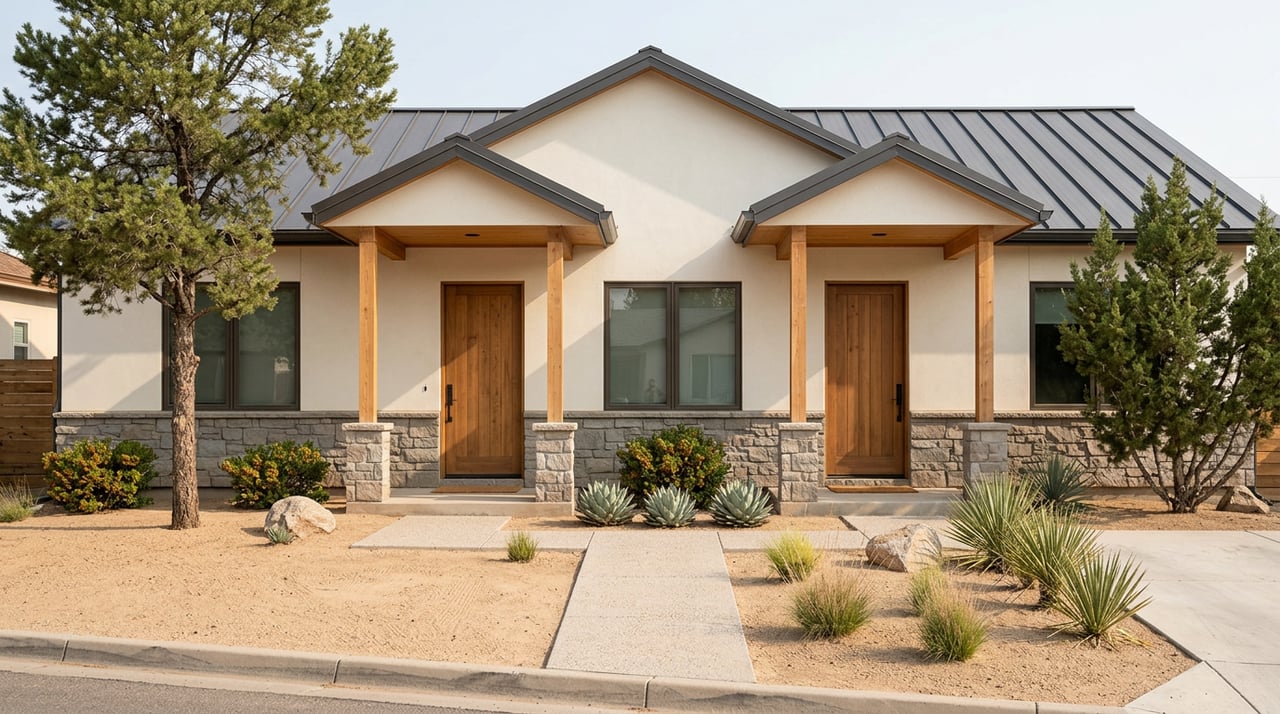
Your Guide to Buying a Prescott Valley Investment Property
March 24, 2026
March 24, 2026
Thinking about buying your first rental in Prescott Valley but not sure where to begin? You are not alone. With steady demand, approachable price points, and a manageable drive from Phoenix, Prescott Valley can make sense for long‑term holds. In this guide, you will learn typical price bands, rent benchmarks, simple underwriting steps, key Arizona landlord rules, and where to focus your search. Let’s dive in.
Prescott Valley serves as a regional hub for the Quad Cities, with retail, healthcare, and services that support stable renter demand. Recent population reporting shows ongoing growth pressure in Yavapai County, which supports rental demand over the medium term. You are also about 1.5 to 2 hours from much of the Phoenix metro, which attracts Phoenix‑based buyers who want secondary‑market cash flow rather than a daily commute. For a quick view of regional growth momentum, review coverage of recent population trends in Yavapai County from regional media sources such as Axios.
Local housing stock skews strongly to single‑family. The Town of Prescott Valley’s Housing Needs Assessment documents roughly 21,576 total housing units, with about 71% owner‑occupied and 29% renter‑occupied. The study also shows strong single‑family permitting since 2016 and notes that a notable share of rentals are single‑family homes. That mix matters because it shapes what you will actually find when you shop for investments. You can review housing composition and permit trends in the town’s Housing Needs Assessment for added context.
Single‑family rentals are the dominant product in Prescott Valley. Consumer market trackers showed a median sale price around 470,000 dollars as of February 2026, with typical home values in the mid‑450,000s. Use these figures as a starting point, then refine with true comps from your agent. Because many rentals began life as owner‑occupied homes, features and finishes can vary widely, which affects achievable rent and maintenance costs.
Two‑to‑four‑unit properties appear regularly in the local MLS. Recent examples have ranged roughly from the high 300,000s into the mid 600,000s depending on location, age, and condition. Seller‑stated cap rates on listings are starting points only. Always verify in‑place rents, expense history, utility splits, and vacancy before accepting a marketing pro forma.
For conservative underwriting, lean on HUD’s Fair Market Rents for the Prescott Valley–Prescott MSA (Yavapai County). FY2026 FMRs are:
Use FMRs as a ceiling for conservative models and as a guide for voucher compatibility. Consumer rent trackers also reported an average asking rent near 1,748 dollars recently. Actual achievable rent depends on property condition, location, and whether utilities are included.
Start with a quick screen to compare properties on equal footing. Then build a fuller cash‑flow model once you have a strong candidate.
Gross yield is only a starting point. Two similar homes can have very different net outcomes once you account for management, taxes, insurance, maintenance, and vacancy.
Build in line items that reflect how rentals actually operate in Yavapai County:
Helpful references:
Tip: Build two rent scenarios. Use HUD FMRs for a conservative case and current asking rent or local lease comps for an optimistic case. Small changes in rent, taxes, or maintenance can materially shift your return, so pressure‑test your assumptions.
Understanding the basics of Arizona law will help you write cleaner leases, set correct deposits, and manage issues confidently. Arizona’s Residential Landlord and Tenant Act (ARLTA) governs most of what you will do as a landlord.
Review the statute and the Arizona Courts information sheets for details:
For statutory text and definitions, consult ARS Title 33 above.
If you are evaluating short‑term rentals as an alternative strategy, note that Prescott Valley has local code provisions for registration and operational standards, and the state requires tax collection through the Arizona Department of Revenue. Always verify current local requirements before you buy or pivot your strategy. Start with the town’s published code materials here: Prescott Valley short‑term rental code.
Near Glassford Hill you will find master‑planned development and amenity access that renters value. Jasper by Mandalay Homes is a good example of the type of new‑home environment that influences renter expectations nearby. These areas can support higher asking rents for newer or upgraded homes due to modern layouts and proximity to services.
Proximity to grocery, big‑box retail, and restaurants helps keep everyday life convenient for renters. Central Prescott Valley often sees steady demand and shorter turnover times for well‑priced homes. When you underwrite here, compare rent comps within a tight radius and focus on features like garages, fenced yards, and updated kitchens that boost rentability.
East and west pockets include older single‑family homes and some duplex conversions. These can offer stronger initial yields, but you should plan for capital improvements. Ask your agent for building permit trends and recent sold comps to help estimate renovation budgets and the rent premium that follows updates.
The right local partners protect your time and returns.
If you would like a custom list of on‑market options and a clear comp package for rents and recent sales, connect with Jill Hughes for local, relationship‑driven guidance.
Stay up to date on the latest real estate trends.
Get assistance in determining the current property value, crafting a competitive offer, writing and negotiating a contract, and much more. Contact me today.