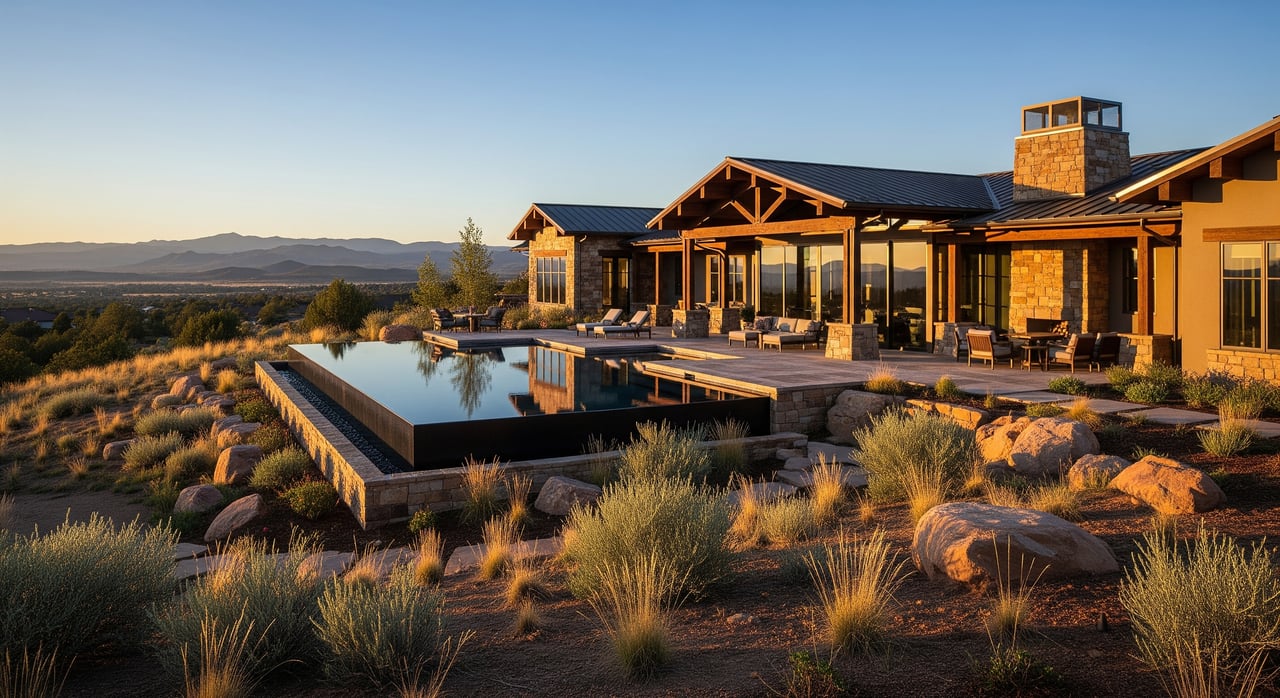
Making a Phoenix to Prescott Valley Move: What to Know
December 4, 2025
December 4, 2025
Triple-digit summers and endless freeway time can wear you down. If you are craving cooler evenings, more elbow room, and a slower pace without giving up modern conveniences, Prescott Valley keeps popping up for a reason. You will learn what makes it a top pick for Phoenix buyers, what tradeoffs to expect, and how to compare it with nearby Northern Arizona towns. Let’s dive in.
At roughly 5,100 feet, Prescott Valley enjoys milder summers and cooler nights than the Valley. Days are often far more comfortable than Phoenix, and evenings bring real relief. Winters are cooler than Phoenix with occasional freezes and light snow, but generally milder than high-elevation Flagstaff. For climate context, review the official NOAA climate normals for the Prescott area.
Tip: Plan at least one visit in summer and one in winter so you can feel the temperature swings for yourself.
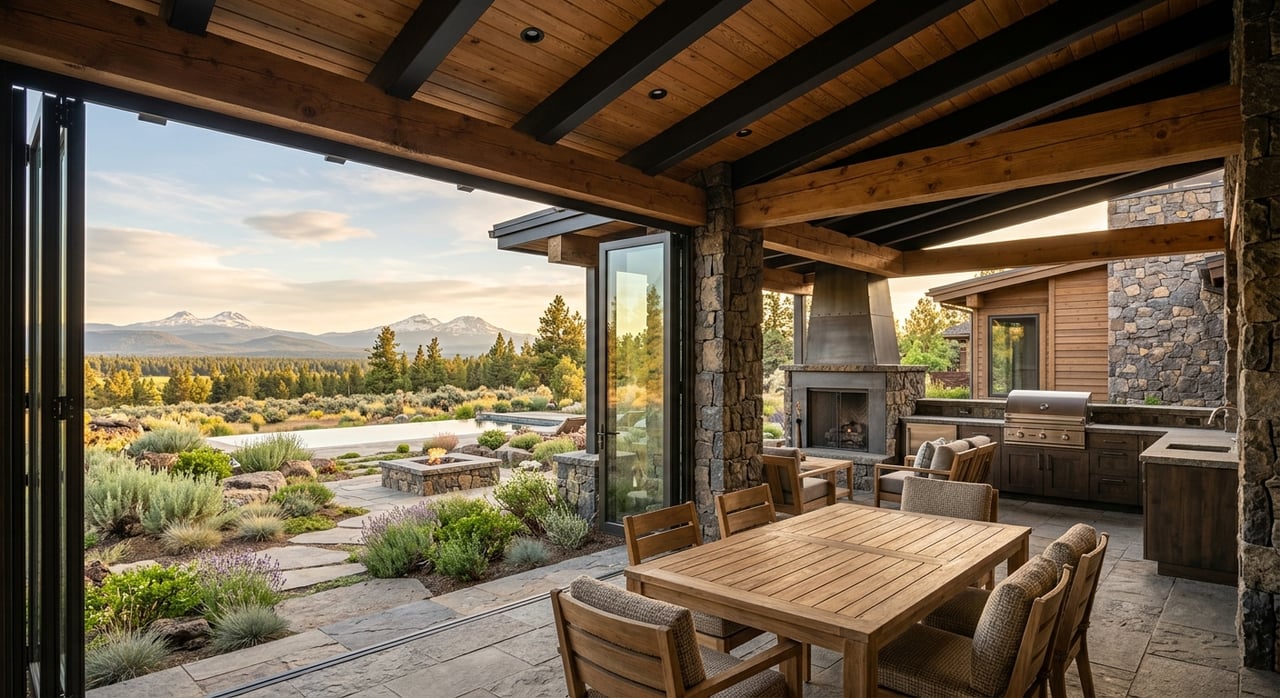
You will find miles of trails, nearby lakes, and forested escapes that are easy to reach. Hiking, mountain biking, fishing, and OHV riding are popular, and the milder summer climate makes it easier to stay active. Prescott, Chino Valley, and the Verde Valley add weekend options within a short drive. If you love getting outside without planning your day around extreme heat, Prescott Valley delivers.
Prescott Valley offers a smaller-town feel with the amenities you use every day. You will see community events, civic groups, and senior services that make settling in simple. Newer neighborhoods appeal to move-up buyers and retirees who value modern floor plans and lower-maintenance living. Prescott’s galleries and Courthouse Plaza events are close by, so you can enjoy both the quiet and the culture.
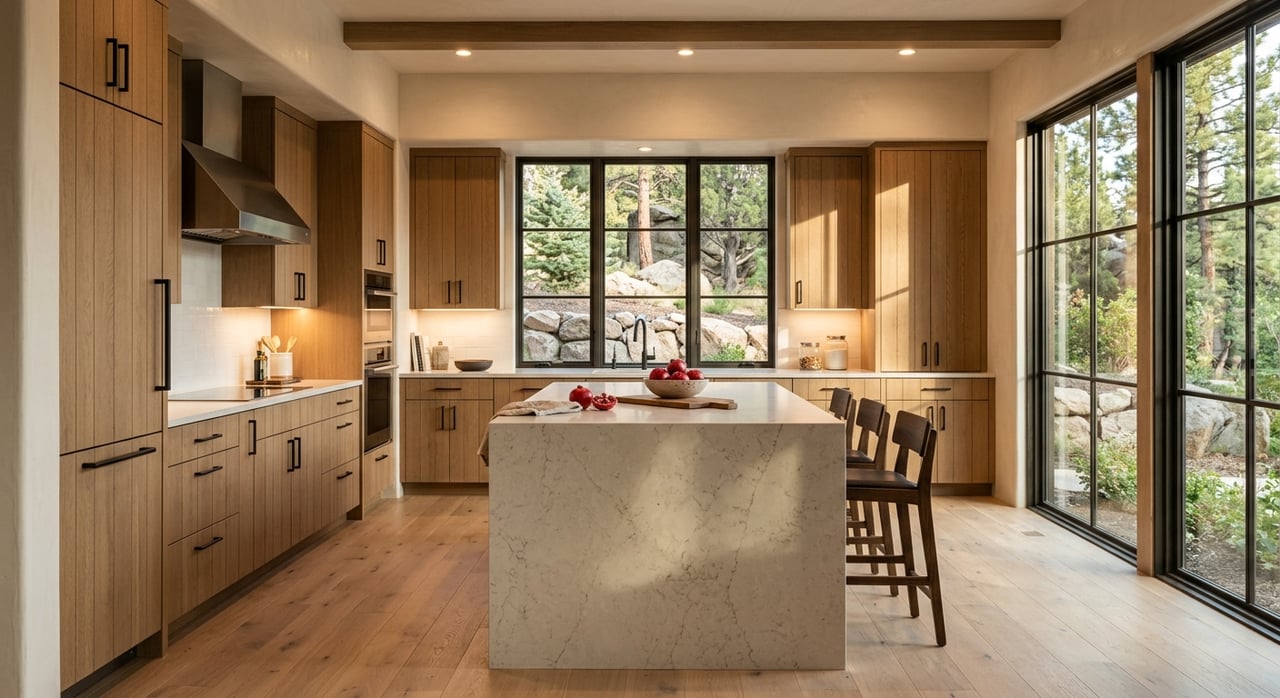
You will find a wide mix of newer subdivisions, master-planned enclaves, and single-family homes with a bit more space. Many Phoenix buyers perceive better value for size and features compared with some historic neighborhoods in Prescott. True affordability depends on timing, neighborhood, and property type, so compare current data with your agent and review parcel details with the Yavapai County Assessor. Expect HOAs in some newer areas, each with its own rules and assessments.
Regional care is a major draw. The area is served by Yavapai Regional Medical Center along with urgent care and specialty clinics. You will find everyday shopping and dining in town, while higher-order services are close in nearby Prescott. For community plans and local services, the Town of Prescott Valley keeps residents up to date.
Driving to central Phoenix typically runs about 1.5 to 2+ hours one way depending on your exact start and end points, traffic, and weather. Daily commuting is uncommon. Many new residents are retirees, remote workers, or find employment locally. For trip planning and road conditions, check ADOT’s AZ511 travel information.
The job market is smaller and more localized than Phoenix. Healthcare, education, local government, construction, and retail are common. If you rely on big-market employers, plan for remote work or only occasional trips to the metro.
Water planning shapes growth across Northern Arizona. Prescott Valley relies on regulated supplies and long-term planning. Review local planning documents and verify utility details for any address. Start with the Arizona Department of Water Resources and the Town of Prescott Valley for current policies.
Northern Arizona has seasonal wildfire risk. Parcel location, vegetation, and defensible space can influence insurance and peace of mind. Ask about mitigation rules and any local requirements. For county-level guidance and plans, consult Yavapai County resources and your local fire district.
School options include local districts, charters, and nearby community college programs. Performance varies by school. Review report cards and program offerings with the Arizona Department of Education and individual districts to match your needs.
Arizona has a state income tax and property taxes vary by county and assessed value. Insurance costs can differ by neighborhood and fire risk. Request quotes early and confirm any special district assessments with the Yavapai County Assessor.
Prescott’s historic downtown and tourism energy create a distinct vibe and often different price dynamics near the center. Prescott Valley leans more suburban, with newer homes, larger planned communities, and a variety of HOA landscapes. Many residents use amenities in both places.
Flagstaff sits over 7,000 feet with colder winters and more snow. It has a university town feel and a strong tourism economy. Prescott Valley offers lower elevation, milder winters, and is commonly more affordable, with a lifestyle that is less tourism-centric.
Sedona offers iconic red-rock scenery and a visitor-driven market that often comes at a higher price. The Verde Valley adds wine-country charm and varied microclimates. Prescott Valley trades postcard red rocks for forests, newer neighborhoods, and a wider range of residential choices.
Chino Valley and Mayer feel more rural and lower density, with longer drives for services. Prescott Valley is larger and more suburban, with more developed retail and services in town.
Use this list to make a confident move:
If you are comparing neighborhoods, weighing HOA tradeoffs, or planning a Phoenix-to-Prescott Valley transition, thoughtful guidance makes all the difference. With deep local knowledge and a patient, concierge approach, you can explore options with confidence and move when the timing is right. For personalized help, connect with Jill Hughes for neighborhood tours, pricing insight, and a clear next step.
Stay up to date on the latest real estate trends.
Get assistance in determining the current property value, crafting a competitive offer, writing and negotiating a contract, and much more. Contact me today.