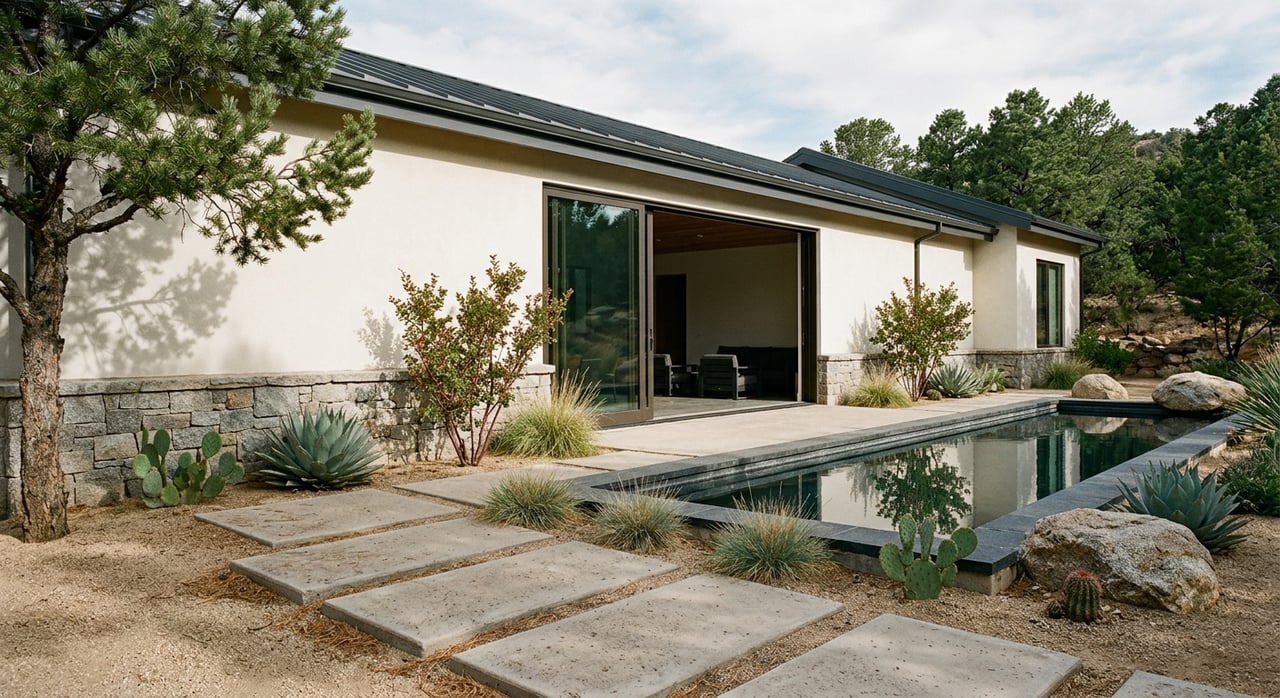
Living in Prescott Valley AZ: Is It a Good Fit?
May 21, 2026
May 21, 2026
Thinking about a move to Prescott Valley? If you want more breathing room, four real seasons, and a community that feels connected without feeling crowded, this town often lands on the shortlist. Living here means balancing everyday convenience with mountain views, outdoor access, and a pace that feels a little easier than larger Arizona metros. Let’s take a closer look at what it is actually like to live in Prescott Valley.
Prescott Valley is a growing town in Yavapai County, set at about 5,100 feet in elevation between the Bradshaw and Mingus mountains. The U.S. Census Bureau estimated the population at 51,440 in 2024, up from 46,785 in 2020, which reflects steady growth in the area.
Even with that growth, the town still carries a small-town feel. Local sources describe Prescott Valley as a friendly, four-season high-desert community with close ties to Prescott and the larger Quad Cities region. In day-to-day life, that often translates to a town where you can run errands locally, enjoy open views, and still feel plugged into a broader regional community.
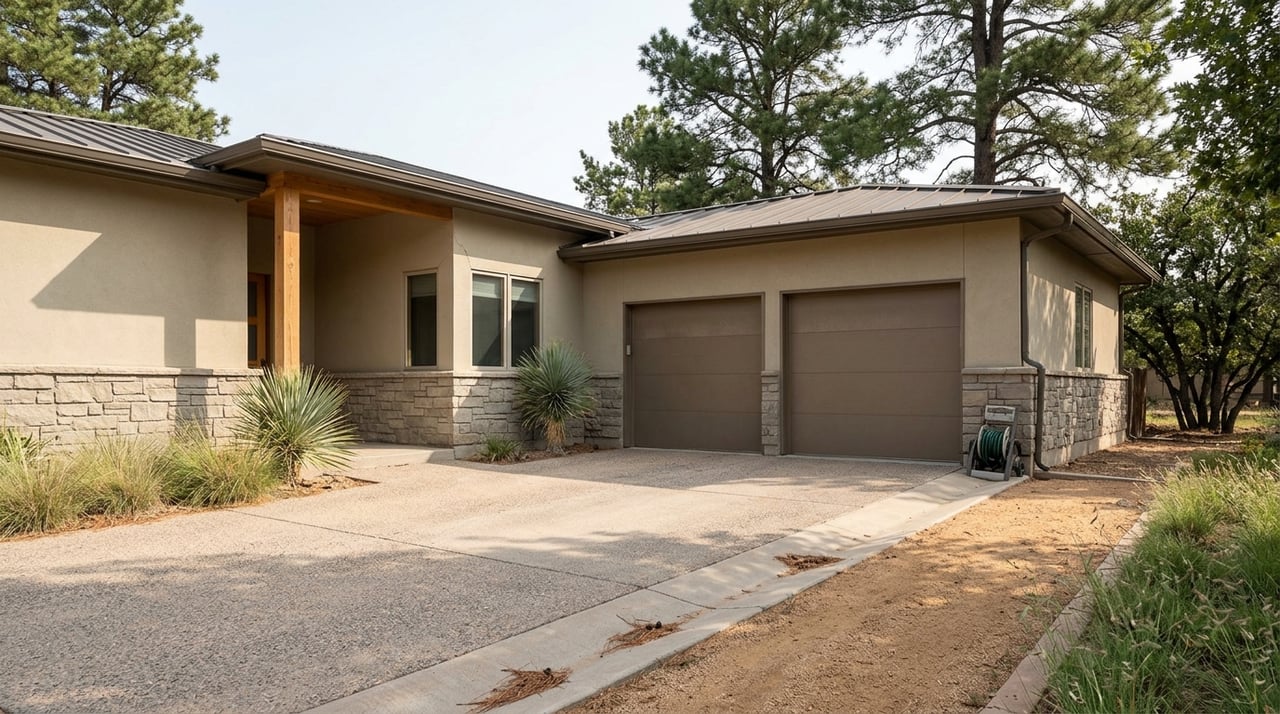
Prescott Valley feels more suburban than historic. It is not centered around an old downtown core, and much of the town is designed for driving rather than walking from one district to another.
That said, many residents appreciate the convenience that comes with that layout. Retail and service businesses are a major part of the local economy, and the town includes regional shopping and practical everyday amenities. If you are looking for a place where daily life feels straightforward and accessible, that is a big part of Prescott Valley’s appeal.
Shopping and dining in Prescott Valley tend to be practical and casual rather than centered on a dense entertainment district. The Prescott Valley Chamber highlights a mix of restaurants, cafes, grocery options, specialty retail, and familiar national brands.
That means you can typically take care of a lot of day-to-day needs close to home. For many people, that convenience is a major quality-of-life benefit, especially if you want a town that supports everyday routines without constant long drives.
Prescott Valley is closely connected to Prescott and the rest of the Quad Cities area. The Prescott Valley Chamber notes that Prescott is about 10 minutes away, which gives residents easy access to even more services, dining, and recreation nearby.
Phoenix is also within reach at about 87 miles away, but it is much more of an occasional big-city trip than a typical daily commute. For most residents, life is centered locally or within the surrounding region.
One of the biggest draws for many buyers is the climate. Using nearby Prescott climate normals as a high-desert reference point, July averages are about 89.6°F for highs and 61.0°F for lows, while December averages are 51.9°F for highs and 23.6°F for lows.
The area averages 16.46 inches of annual precipitation and about 10.2 inches of snowfall. In practical terms, you get warmer summers than many mountain towns, but cooler mornings and evenings than lower-elevation Arizona cities. Winter usually brings seasonal chill, and light snow or icy mornings can be part of the routine.
For many people, Prescott Valley offers a comfortable middle ground. You still get sunshine and dry air, but the higher elevation brings more seasonal change than Phoenix.
That can make outdoor living easier for much of the year. It also means you will want to be ready for colder winter mornings and a little more weather variety than you might expect in other parts of Arizona.
If you enjoy getting outside, Prescott Valley gives you options close to home. One of the best-known local spots is Fain Park, a 100-acre park that opened to the public in 1997 on land donated by the Fain family.
The park is used for picnicking, hiking, fishing, and gold panning. Trails range from easy to moderate, including the Lynx Creek Loop Trail at about 1 mile and the Cavalry and Canyon trails at about 1.6 miles combined. For many residents, this kind of easy outdoor access becomes part of weekly life.
Fain Park is not the only green space in town. Prescott Valley’s park system also includes places like Antelope Park, Mountain Valley Park, Viewpoint Park, Bob Edwards Park, and Urban Forest Park.
That broader network matters because it spreads recreation throughout town. Instead of relying on one destination park, residents have multiple spaces for walks, play, and time outside.
Prescott Valley also has recurring events that help shape local life. Valley of Lights at Fain Park is a long-running holiday tradition, with nearly 40 light displays along a mile-long drive-through route.
Prescott Valley Days is another well-known annual event, featuring activities like a parade, carnival, marketplace, blood drive, local talent, and other entertainment. Together, these events give the town a community-centered rhythm that feels approachable and family-oriented.
Many households in Prescott Valley are served by Humboldt Unified School District, which is headquartered in town. The district reports serving about 5,100 or more students across five elementary schools, one K-8 school, two middle schools, and one high school, along with preschool, transportation, and career and technical education options.
For families planning a move, that setup can feel fairly easy to understand. The district’s main high school campus in Prescott Valley is Bradshaw Mountain High School, and district information also notes honors and AP coursework, career and technical education, and dual-enrollment opportunities through Yavapai College.
From a lifestyle standpoint, the school system is one of the town’s core institutions. Its size, structure, and local presence suggest that school schedules, sports, activities, and campus life are an important part of how many residents organize daily life.
If you are relocating with children, that can make Prescott Valley feel more grounded and established than a place that functions mainly as a bedroom community.
Housing in Prescott Valley is largely owner-occupied. According to the U.S. Census Bureau, 72.3% of housing units are owner-occupied, the median owner-occupied home value is $413,200, and median gross rent is $1,580.
The same data shows 20,968 households, with an average of 2.33 persons per household. That profile points to a town with a strong base of long-term residents and a meaningful rental market, rather than a highly transient population.
One of the most telling numbers is residential stability. Census data shows that 85.5% of residents lived in the same house one year earlier.
That tends to support the feeling many people pick up when they explore Prescott Valley in person. Neighborhoods often come across as settled, steady, and rooted in long-term everyday living.
Prescott Valley is a car-oriented town, and that shapes how people move through daily life. The U.S. Census Bureau reports a mean travel time to work of 21.5 minutes, which suggests commutes are often manageable.
For many residents, work and daily errands happen within Prescott Valley, Prescott, or the wider Quad Cities area. If you are used to larger metro traffic, that shorter regional pattern can feel like a meaningful lifestyle upgrade.
Prescott Valley can appeal to a wide range of buyers, but a few patterns stand out. It may be a strong fit if you want a suburban setting with mountain views, practical shopping, local parks, and easier access to outdoor recreation.
It can also make sense if you are looking for more seasonal weather, a mostly owner-occupied housing base, and a community that feels connected to the larger Prescott area. For some buyers, it is a great option for relocation. For others, it works well for downsizing, moving up, or simply finding a home base with a little more room and a little less rush.
Living in Prescott Valley often means choosing balance. You get a growing community with local services, a high-desert climate with real seasons, and access to parks and events that help everyday life feel full without feeling hectic.
If you are comparing Prescott Valley with other areas in the Quad Cities, the details matter. Your commute, preferred home style, life stage, and daily routine all shape whether a town feels like the right fit. If you want local guidance as you explore your options, Jill Hughes can help you schedule your free consultation or request an instant home valuation.
Stay up to date on the latest real estate trends.
Get assistance in determining the current property value, crafting a competitive offer, writing and negotiating a contract, and much more. Contact me today.